
tempered glass supplier
Low Emissivity Coatings Enhancing Energy Efficiency in Modern Building Design In the quest for energy efficiency and sustainability, architects and engineers are increasingly turning to advanced materials that can significantly reduce energy consumption in buildings. One such innovation is low emissivity (low-e) coatings, which are designed to improve thermal performance and optimize energy management in residential and commercial structures. This article explores the technology behind low-e coatings, their benefits, application methods, and the future potential of these materials in building design. Understanding Low Emissivity Coatings Low emissivity coatings are thin layers of material applied to the surfaces of windows and glass doors. The primary function of these coatings is to reflect infrared radiation while allowing visible light to pass through. Emissivity is a measure of a material's ability to emit energy as thermal radiation. Materials with a low emissivity value (typically less than 0.10) emit very little thermal energy, which is particularly beneficial during both summer and winter seasons. There are two main types of low-e coatings hard coat and soft coat. Hard coat low-e coatings are made by applying a layer of tin oxide or similar materials to the glass surface during production. They are durable and can withstand physical wear, making them suitable for a variety of applications. In contrast, soft coat low-e coatings are deposited using a vacuum process, resulting in a finer and more effective layer that offers superior energy efficiency. Soft coats, however, are more prone to damage and require additional protection, often achieved by placing them between two panes of glass. Benefits of Low Emissivity Coatings The primary advantage of low-e coatings is their enhancement of energy efficiency. By reflecting heat back into the building during winter and blocking it from entering during summer, low-e coatings help maintain a comfortable indoor temperature, reducing the reliance on heating and cooling systems. This capability translates to lower energy bills and a reduced carbon footprint, which is particularly crucial in an era where sustainability is paramount. In addition to energy savings, low-e coatings also contribute to improved aesthetics and comfort. By allowing natural light to penetrate while minimizing glare and UV radiation, these coatings enhance the ambiance of interior spaces. Furthermore, they help in protecting furniture, flooring, and artwork from fading, extending the lifespan of these valuable items. low emissivity coating Moreover, buildings equipped with low-e glass can qualify for green building certifications. Certifications such as LEED (Leadership in Energy and Environmental Design) recognize energy-efficient building practices, encouraging architects and developers to integrate sustainable materials into their designs. Application Methods and Considerations The application of low-e coatings can vary depending on the needs and specifications of a project. When selecting low-e glass, architects and builders should consider factors such as climate, orientation of the building, and the specific energy performance requirements. Typically, low-e coatings are best suited for regions with extreme temperatures, where the benefits of insulation significantly impact energy usage. Installation is also critical to ensure effective performance. It is essential that low-e glass is properly sealed and installed to avoid thermal bridging and air leaks, which could undermine the efficiency of the coatings. Future Potential As advancements in technology continue to evolve, the future of low-e coatings looks promising. Research is ongoing to develop even more effective coatings that can adapt to varying environmental conditions. Innovations such as dynamic glazing, which can change properties based on sunlight and temperature, are gaining traction and may soon complement traditional low-e coatings. Furthermore, as the demand for energy-efficient building practices grows, low-e coatings are likely to see increased adoption in both residential and commercial sectors. As the construction industry continues to prioritize sustainability, low-e coatings will play a pivotal role in meeting energy efficiency goals and shaping modern building design. In conclusion, low emissivity coatings represent a significant advancement in material science that contributes to energy efficiency, comfort, and sustainability in buildings. By reflecting infrared radiation while allowing natural light, these coatings not only help reduce energy consumption but also enhance the quality of life for occupants. As technology advances, the role of low-e coatings in architectural design is poised to expand, making them a key component of future construction practices.
-
laminated glass cost
laminated glass cost
View Details -
wall mounted led makeup mirror
wall mounted led makeup mirror
View Details -
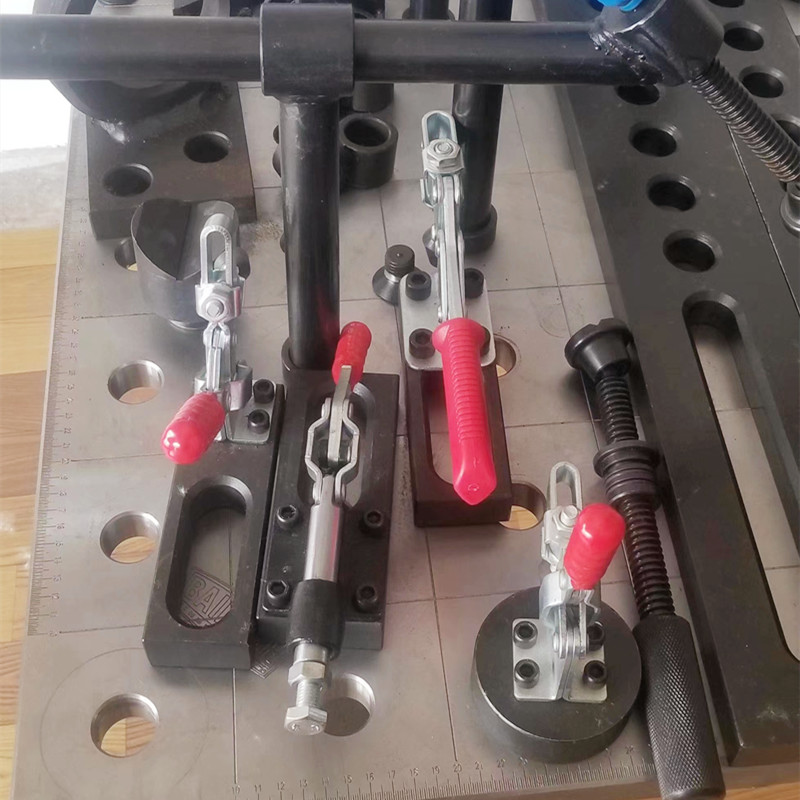
low iron tempered glass price
low iron tempered glass price
View Details -
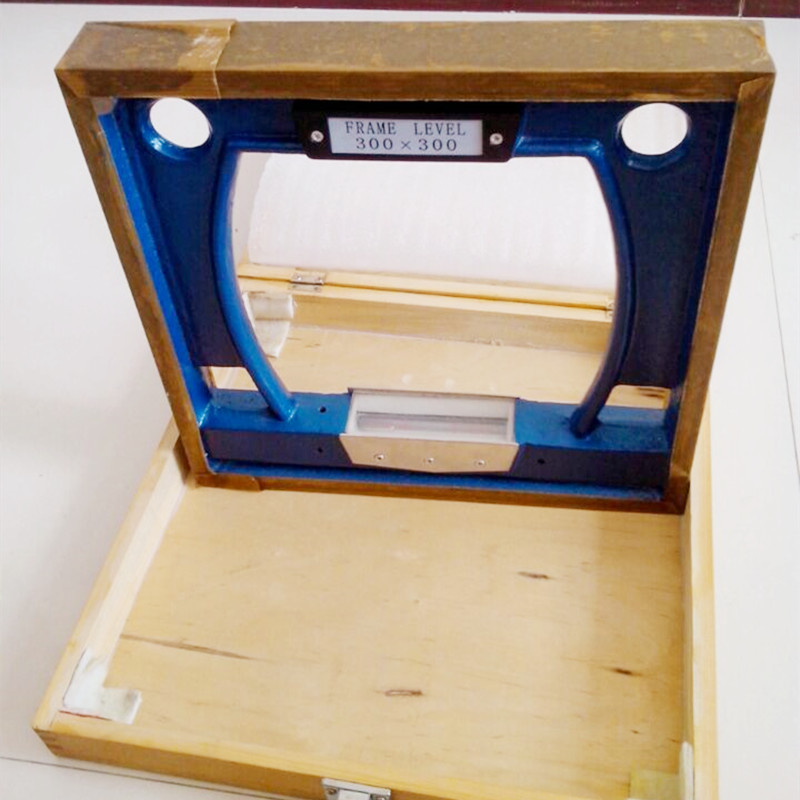
vanity mirror with lights sale
vanity mirror with lights sale
View Details -

laminated glass door
laminated glass door
View Details
Our application
-
 read more
 -
 read more
 -
 read more
 -
 read more
 -
 read more
 -
 read more
news and information

Valve anti - retour Baron
Le Vanne à Boule Un Dispositif Essentiel pour la Sécurité des Systèmes Hydraulique La vanne à boule

Valvole a farfalla 18 - Soluzioni di regolazione e controllo fluidi
La valvola a farfalla del 18% è un componente fondamentale in molte applicazioni industriali, specia
Varieties of ball valves and their unique characteristics in valve industry trends
Ball valves are an essential component in various industries, including oil and gas, water treatment